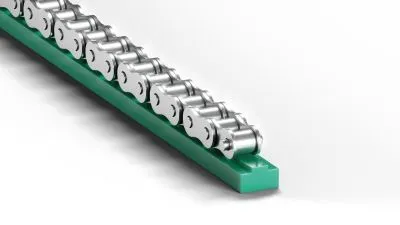
Roller chain guide TYPE T
High-quality chain guide TYPE T made of Original S® green
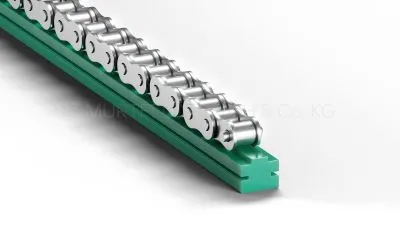
Roller chain guide TYPE CT
High-quality chain guide TYPE CT made of Original S® green (suitable for steel C profile)
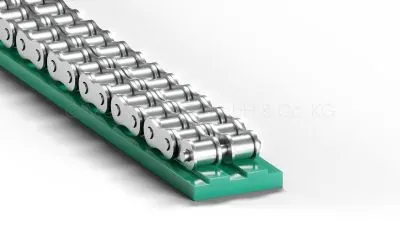
Roller chain guide TYPE T-DUPLEX
High-quality chain guide TYPE T made of Original S® green for duplex chains
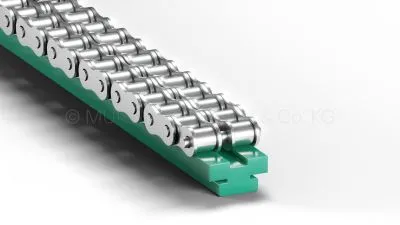
Roller chain guide TYPE CT-Duplex
High-quality chain guide TYPE CT made of Original S® green for duplex chains (suitable for steel C profile)
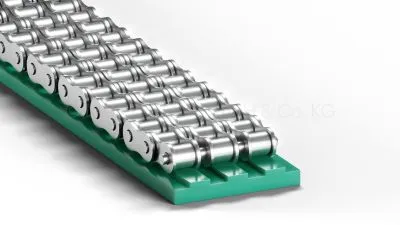
Roller chain guide TYPE T-Triplex
High-quality chain guide TYPE T made of Original S® green for triplex chains
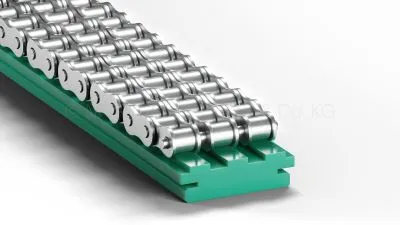
Roller chain guide TYPE CT-Triplex
High-quality chain guide TYPE CT made of Original S® green for triplex chains (suitable for steel C profile)
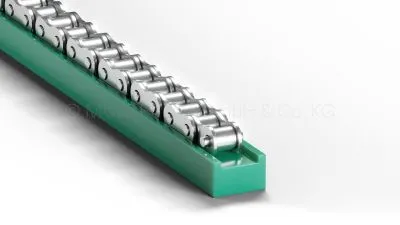
Roller chain guide TYPE TU
High-quality chain guide TYPE TU with U-profile for simplex chains
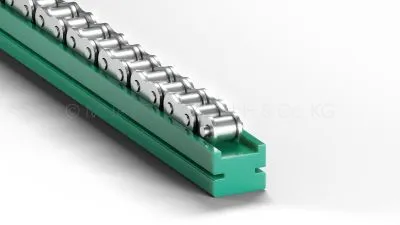
Roller chain guide TYPE CTU
High-quality chain guide TYPE CTU with U-profile for simplex chains (suitable for steel C profile)
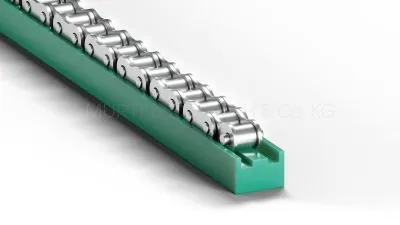
Roller chain guide TYPE TS
Based on the TYPE T chain guide, supplemented with lateral guide supports
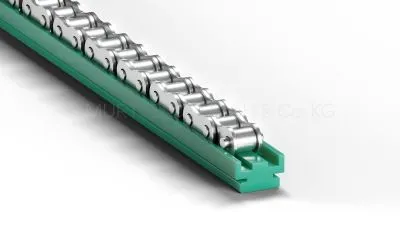
Roller chain guide TYPE CTS
Based on the TYPE T chain guide, supplemented with lateral guide supports (suitable for steel C profile)
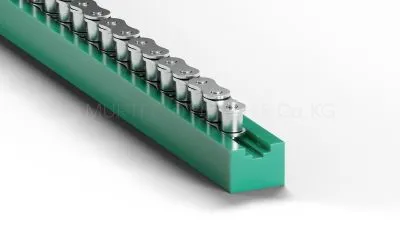
Roller chain guide TYPE U
TYPE U chain guide for vertically installed simplex, duplex or triplex chains
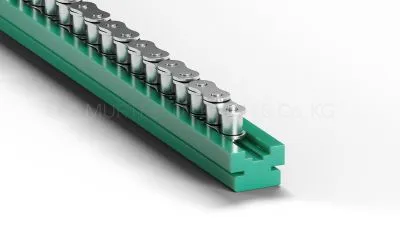
Roller chain guide TYPE CU
TYPE CU chain guide for vertically installed simplex, duplex or triplex chains (suitable for steel C profile)
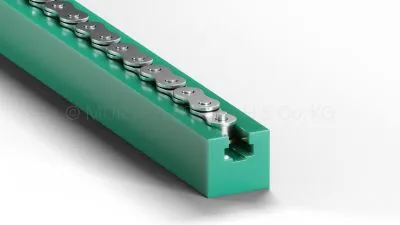
Roller chain guide TYPE K
Closed chain guide TYPE K for roller chains
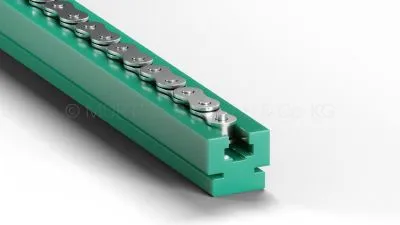
Roller chain guide TYPE CK
Closed chain guide rail TYPE K for roller chains with steel profile preparation (suitable for steel C profile)
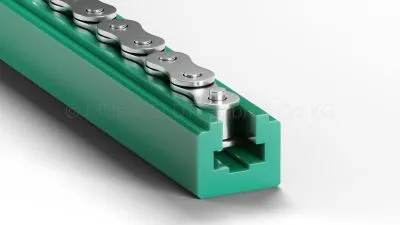
Roller chain guide TYPE CKG
Durable cage guide TYPE CKG for roller chains (suitable for steel C profile)
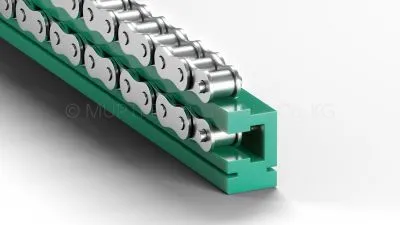
Roller chain guide TYPE ETA
Chain guide rail TYPE ETA guides the loaded and unloaded strand of a chain (suitable for steel C profile)
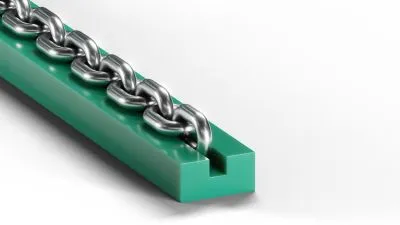
Chain guide TYPE R
High-quality chain guide rail TYPE R for round link chains
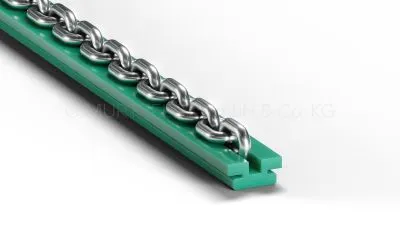
Chain guide TYPE CRU
High-quality chain guide rail TYPE CRU for round link chains (suitable for steel C profile)
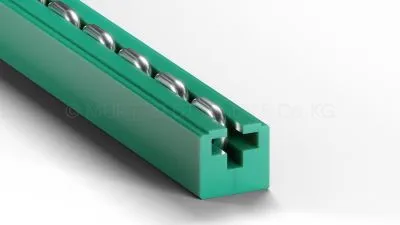
Chain guide TYPE CRG
Closed chain guide rail for round link chains (suitable for steel C profile)
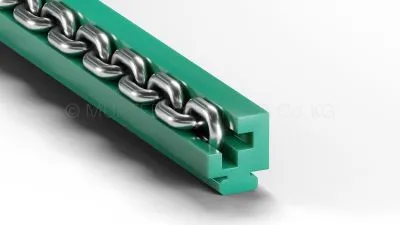
Chain guide TYPE CRO
Chain guide rail TYPE CRO for precision guiding of round steel chains (suitable for steel C profile)
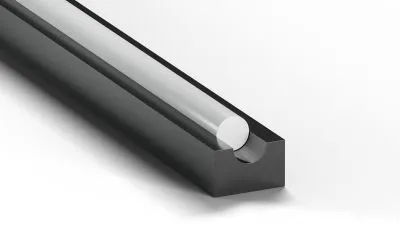
Belt guide TYPE RR
Belt sliding guide for round belts
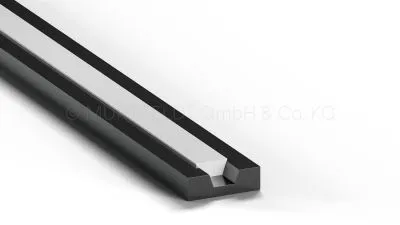
Belt guide TYPE KR
Belt guide rail for V-belts
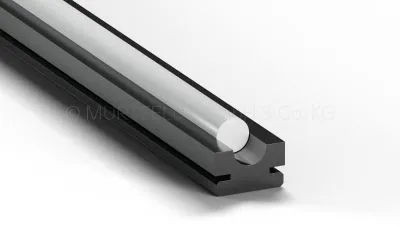
Belt guide TYPE RRC
Belt sliding guide for round belts (suitable for steel C profile)
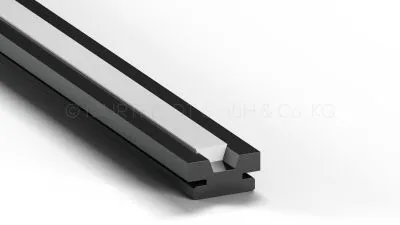
Belt guide TYPE KRC
Belt sliding guide for V-belts (suitable for steel C profile)
Which material is right for my application?
Choose the exact parameters that define your application from our range of over 200 materials and find the material that has all the properties you need.
Our selection in the shopI need help designing a component.
With extensive experience, technical expertise and state-of-the-art tools, we design custom-fit components that are precisely tailored to your individual requirements.
More about construction at MURTFELDT Enquire now
Questions about our ORIGINALS? We're happy to help.
Welcome to Europe's most efficient machining centre
Benefit from comprehensive advice from our application engineers, unique performance in our state-of-the-art production facilities and the wide variety of our materials.
Discover now