
The most important fibre materials include:
- Carbon fibres (CF): outstanding stiffness and strength at low weight, preferred in high-performance applications
- Glass fibres (GF): cost-efficient, good mechanical properties, and high chemical resistance, widely used across many industries
- Aramid fibres (AF): extremely high impact resistance, particularly relevant in protective cloghting and ballistic applications
- Basalt fibres (BF): sustainable alternative to glass fibres with high temperature resistance and good chemical resilience
- Natural fibres (NF): environmentally friendly, lightweight, and suitable for many sustainable applications, offering a good balance betwenn mechanical performance ecology
The fibres in a composite material assume the load-bearing function and give the material high tensile strength as well as excellent fatigue resistance. Depending on the type of fibre, the properties of the composite material vary significantly:
- Stiffness and strength: Carbon fibres offer the highest stiffness, while glass and basalt fibres provide a balanced trade-off between performance and cost
- Impact resistance: Aramid fibres are particularly resistant to impact loafs, making them ideal for ballistic protective materials
- Temperature resistance: Basalt fibres withstand high temperatures better than glass fibres and offer excellent resistance to thermal degradation
- Sustainability: Natural fibres are biodegradable and help reduce the ecological footprint
The fibres are usually embedded into a matrix in the form of fabrics, non-crimp fabrics, rovings, or chopped fibres, which evenly distributes the forces and protects the fibres from environmental influences.
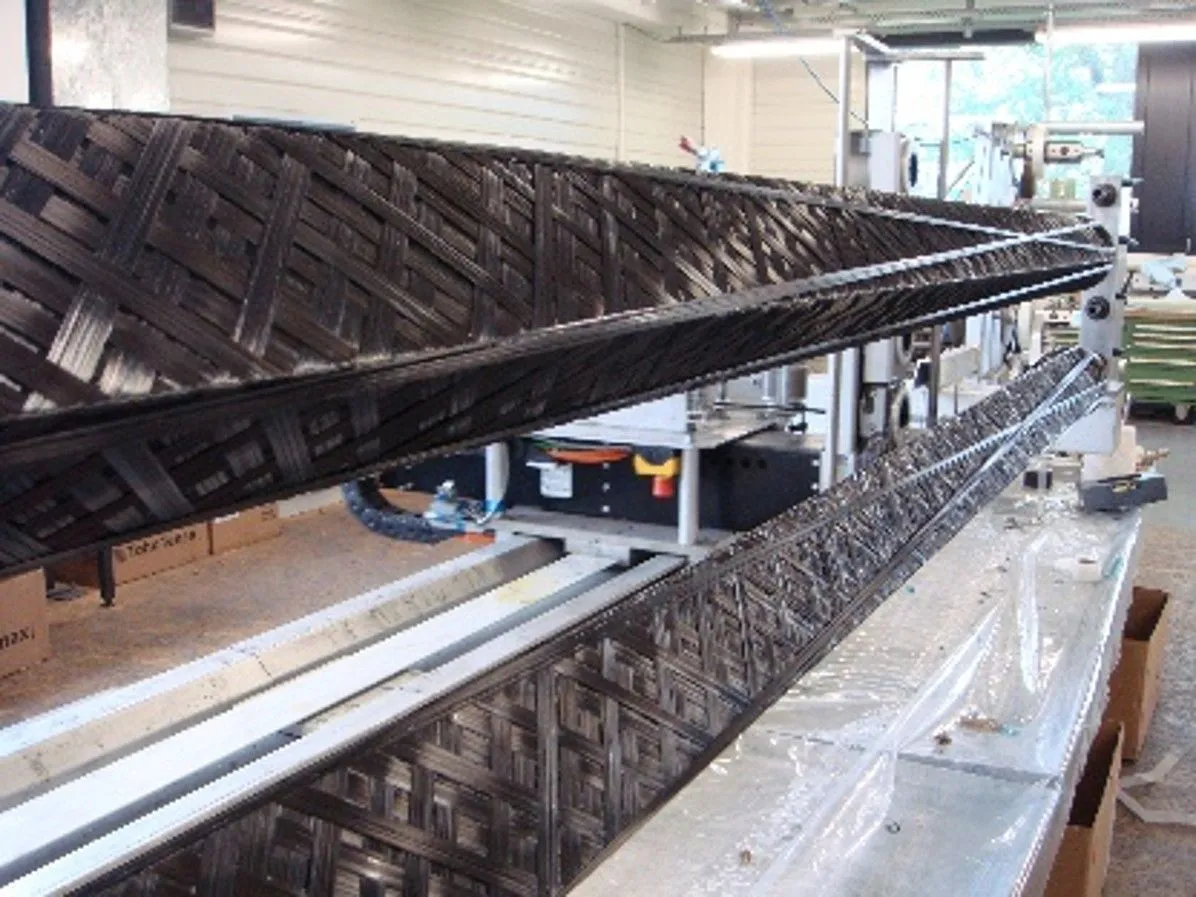

High strength with low weight
Maximum performance with minimal material usage, ideal for lightweight construction applications.

Customizable properties
The targeted combination of fibers and matrix materials allows mechanical, thermal, and chemical properties to be precisely tailored to specific requirements.

Corrosion-Resistance
Excellent resistance to environmental influences and chemicals, which extends the lifespan of components.

Design freedom
Enables the realization of complex geometries and innovative constructions that would be difficult to achieve with traditional materials.